The heart and lungs are the target, and they sit lower and farther forward than most new hunters think. Where you aim depends on which way the deer is standing; some angles are a shot to wait out.
Most lost deer were hit somewhere other than the heart and lungs. The fix is not a better gun or bow; it is knowing where those organs are, and which angles let a bullet or an arrow reach them.
Where the vitals are
A deer’s lungs fill most of the chest just behind the front shoulder. The heart sits low in the chest, close to the elbow of the front leg. Together they make a target about the size of a paper plate. Many hunters aim too high and too far back, in the middle of the body, where there are no vital organs.

Broadside: the best shot
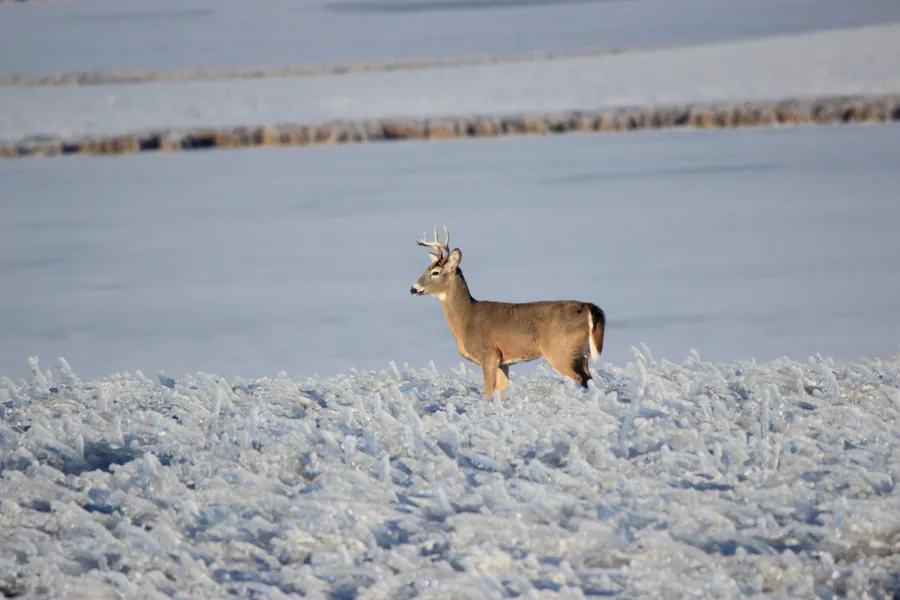
A deer standing broadside, its side to you, shows you the most lung. Follow the back of the front leg up about a third of the way into the body and aim there. A shot there passes through both lungs; a little low and forward reaches the heart.
Quartering away: aim at the far front leg
A deer angled away from you, its head farther from you than its tail, is a good shot too, often the best for a bow because the deer is looking away. The trick is to aim for where the bullet or arrow will come out: picture the far-side front leg and aim so the line through the deer ends there. That means aiming farther back on the near side than you would on a broadside deer.

The shots to pass
- Quartering toward you. The deer angles toward you, and its shoulder and leg bones cover the vitals. With a bow, pass it and wait for the deer to turn. Many rifle hunters also wait it out.
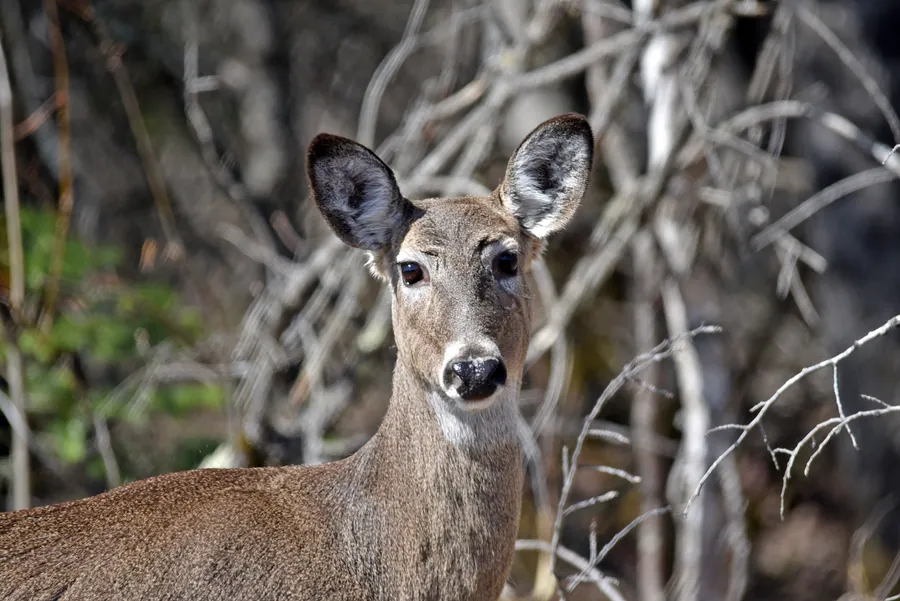
- Facing you, or facing away. A narrow target behind bone, or one that runs the length of the deer. With a bow, pass both.
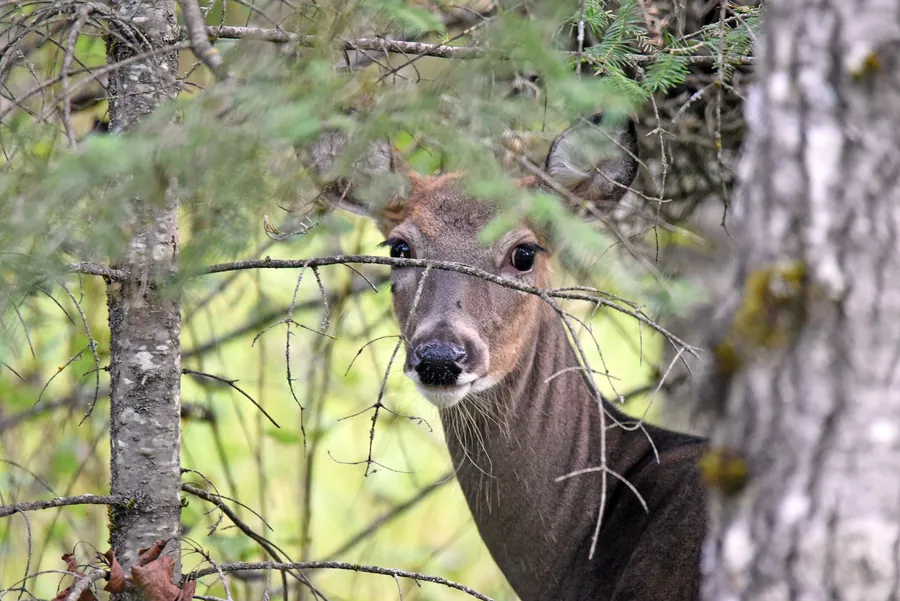
- Behind brush. A twig can turn an arrow and deflect a bullet. Wait for a clear lane.
- A moving deer. Stop it with a soft grunt or a whistle first; see the numbers in close-range rifle shots.
From a tree stand
From above, the path through the deer is angled down, so it comes out lower on the far side than where it went in. Aim a little higher on the near side so the path runs through both lungs and out low on the far side. The closer the deer is to the stand, the steeper this gets.
After the shot
Watch where the deer goes, mark the spot it was standing and the last place you saw it, and wait before you follow. Our post on tracking a deer after the shot goes through it step by step.
By state
Photo: see credits. Questions or a correction? Write to us.