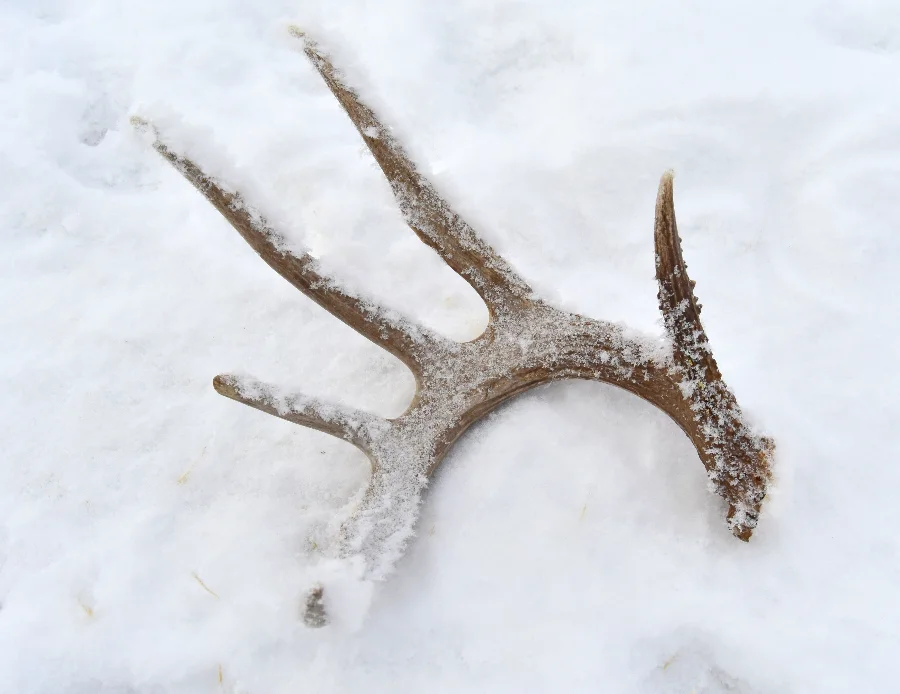
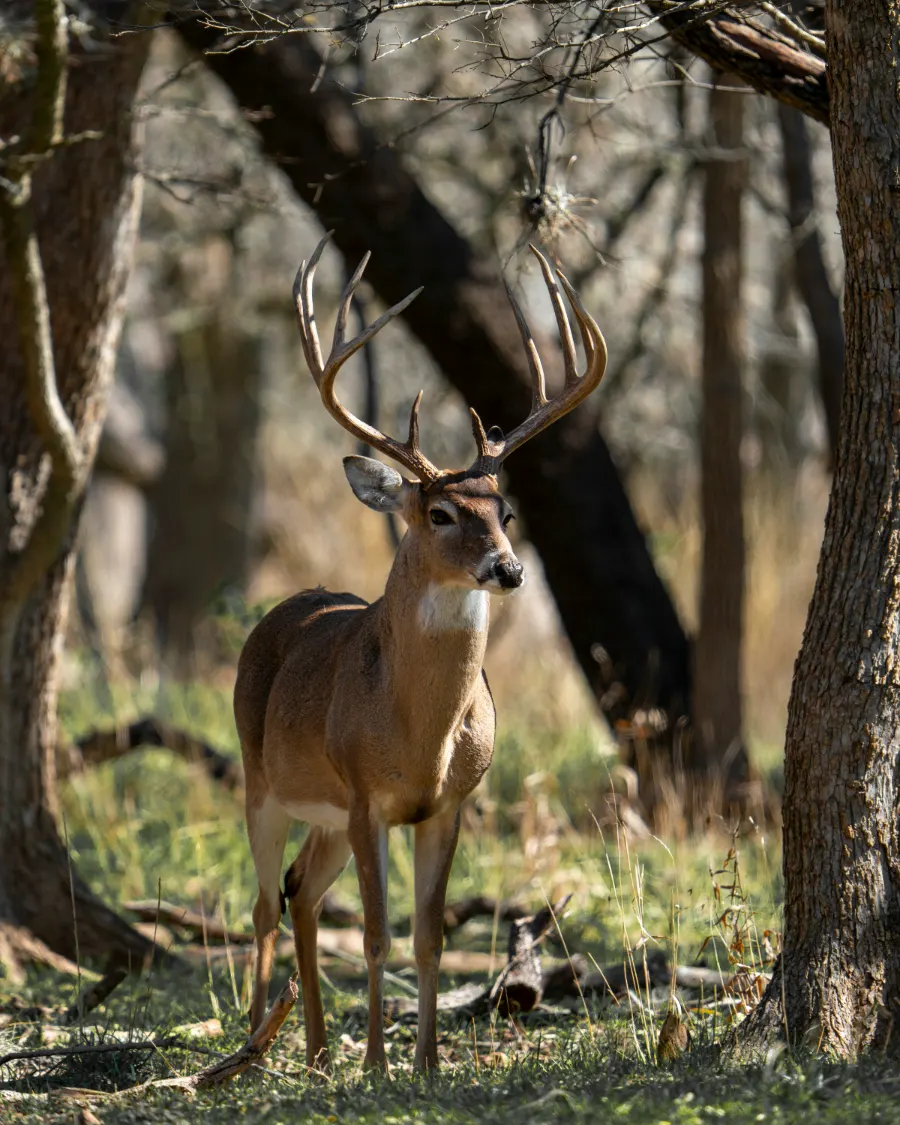
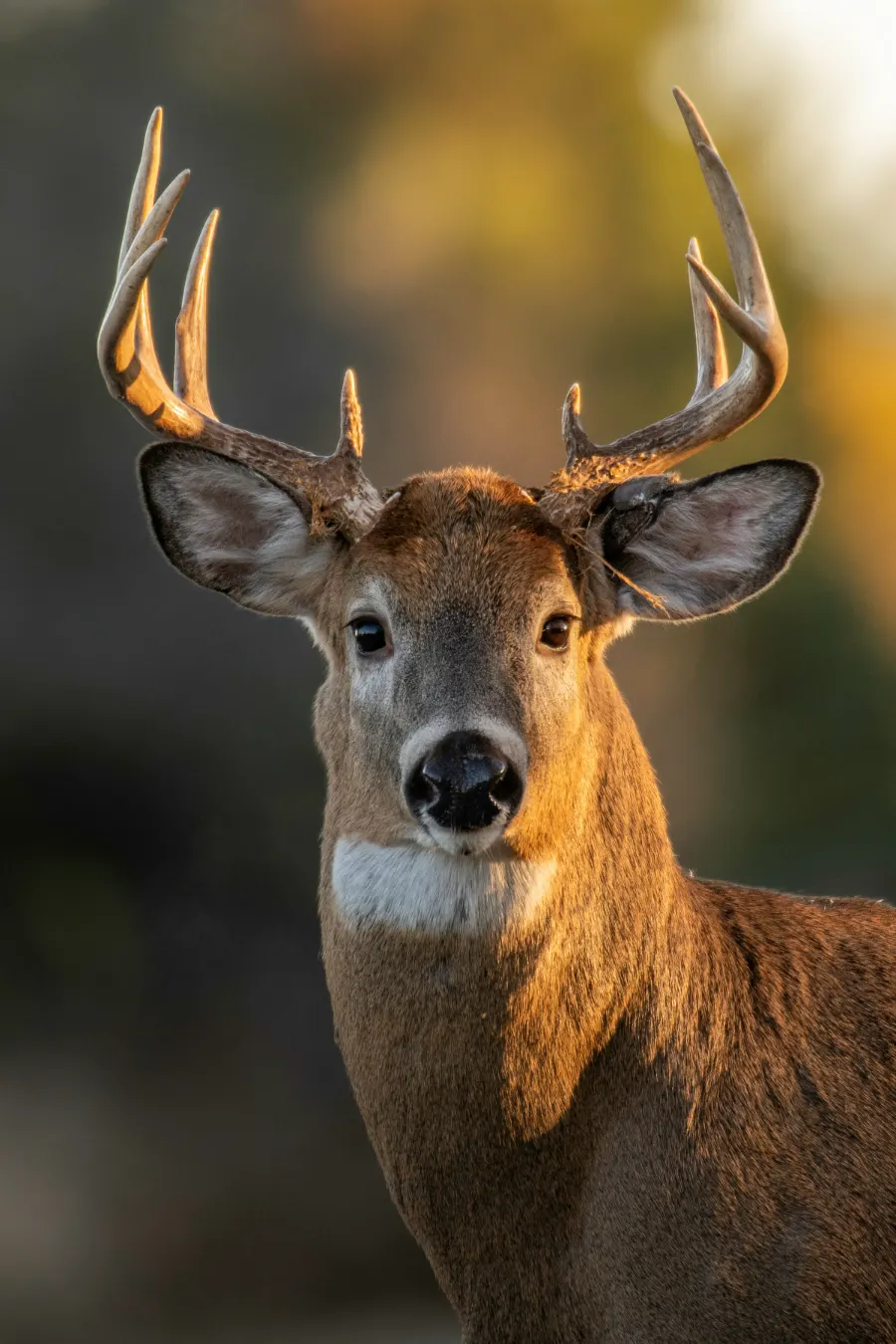
About four weeks after peak breeding, the does that were not bred come back into estrus, and the bucks notice. The second rut is real. It is also smaller, shorter and more scattered than the first, and it happens on late-season food.
By the first week of December in most of the North, the woods have gone quiet. The rut is over, the gun season has pushed every deer into the thick stuff, and the bucks that are left are worn down and hungry. Then, for a few days, a buck shows up chasing a doe across a picked cornfield at noon, and you remember the second rut.
Why there is a second rut
A doe’s estrous cycle repeats about every 28 days until she is bred. Most does are bred in their first cycle in the main rut. The ones that are not, because they came into heat when no buck found them or the timing just missed, cycle again about four weeks later. In places with good food, a share of the doe fawns born that spring also reach breeding condition in their first winter, usually later than the adults.
That is the second rut: a smaller number of does coming into estrus over a few weeks, with bucks that have mostly finished the first rut ready to find them.

When it is in your state
Here is the second rut for each state, about 28 days after the peak-breeding date for most of the state. It is not a single day; think of it as a week or so either side.
| State | Peak breeding | Second rut around |
|---|---|---|
| Alabama * | Jan 16 | Feb 13 |
| Arizona * | Jan 10 | Feb 7 |
| Arkansas * | Nov 13 | Dec 11 |
| California * | Oct 20 | Nov 17 |
| Colorado * | Nov 20 | Dec 18 |
| Connecticut | Nov 23 | Dec 21 |
| Delaware | Nov 15 | Dec 13 |
| Florida * | Oct 15 | Nov 12 |
| Georgia * | Nov 6 | Dec 4 |
| Idaho * | Nov 15 | Dec 13 |
| Illinois | Nov 10 | Dec 8 |
| Indiana * | Nov 8 | Dec 6 |
| Iowa | Nov 14 | Dec 12 |
| Kansas | Nov 13 | Dec 11 |
| Kentucky * | Nov 17 | Dec 15 |
| Louisiana * | Jan 8 | Feb 5 |
| Maine | Nov 18 | Dec 16 |
| Maryland | Nov 10 | Dec 8 |
| Massachusetts | Nov 13 | Dec 11 |
| Michigan * | Nov 10 | Dec 8 |
| Minnesota | Nov 11 | Dec 9 |
| Mississippi * | Jan 7 | Feb 4 |
| Missouri | Nov 16 | Dec 14 |
| Montana | Nov 21 | Dec 19 |
| Nebraska | Nov 15 | Dec 13 |
| Nevada | Nov 22 | Dec 20 |
| New Hampshire | Nov 19 | Dec 17 |
| New Jersey * | Nov 11 | Dec 9 |
| New Mexico * | Dec 4 | Jan 1 |
| New York | Nov 15 | Dec 13 |
| North Carolina * | Oct 31 | Nov 28 |
| North Dakota | Nov 17 | Dec 15 |
| Ohio | Nov 13 | Dec 11 |
| Oklahoma | Nov 12 | Dec 10 |
| Oregon * | Nov 20 | Dec 18 |
| Pennsylvania | Nov 13 | Dec 11 |
| Rhode Island | Nov 13 | Dec 11 |
| South Carolina * | Oct 30 | Nov 27 |
| South Dakota | Nov 15 | Dec 13 |
| Tennessee * | Nov 17 | Dec 15 |
| Texas * | Nov 20 | Dec 18 |
| Utah | Nov 15 | Dec 13 |
| Vermont | Nov 19 | Dec 17 |
| Virginia | Nov 16 | Dec 14 |
| Washington * | Nov 15 | Dec 13 |
| West Virginia | Nov 15 | Dec 13 |
| Wisconsin * | Nov 11 | Dec 9 |
| Wyoming | Nov 21 | Dec 19 |
Why it feels quieter
The first rut has most of the does in a county coming into estrus within a couple of weeks. The second has a fraction of them, spread out. Fewer receptive does means less chasing, and the chasing that happens is concentrated around the few does that are in heat. If one of them is on your ground, it can be wild for a day. If not, you may never see it.
Two other things work against you. By December most deer have been hunted hard for weeks, and the ones left are careful. And the weather is often cold enough that movement is driven by food more than by anything else.
How to hunt it
- Hunt the food. In December, does are on the best food left: standing corn or soybeans, a cut field with waste grain, a late food plot, the last acorns, good browse in a cutover. Find the does and the second-rut bucks will find you.
- Watch the doe groups. A doe group with a buck hanging around it, or a single doe being trailed, is the sign. Cameras on the food help: when the bucks come back to the field in daylight with their noses down, it is on.
- Hunt the cold days. A cold front in the second rut stacks the food drive and the breeding drive. In hard cold, below about 20°F, collared deer moved less than usual at first light and more than usual at midday, so do not give up on the middle of the day.
- Keep the pressure down. These are educated deer. Hunt the food from the downwind side, get in and out without crossing the field, and do not hunt the same stand two days in a row.
By state
Photo: see credits. Questions or a correction? Write to us.